A 3-Step Placement Framework for Solar Spooky Light
 Priya RamanSenior Analyst
October 3, 2026 — The shift toward sustainable holiday decor has accelerated this season, with Solar Spooky Light emerging as a primary solution for low-maintenance, high-impact seasonal displays.
As consumers transition away from labor-intensive wired setups, the focus has shifted toward maximizing the efficiency of individual units. According to research from Balsam Hill, the demand for solar-powered pathway lights now encompasses a wide variety of thematic shapes, including Jack-o'-Lanterns and ghost-themed stakes, which require strategic positioning to maintain consistent illumination throughout the night. Successfully deploying these units involves balancing the physics of energy collection with the visual requirements of a cohesive landscape design.
The 3-Axis Placement Model
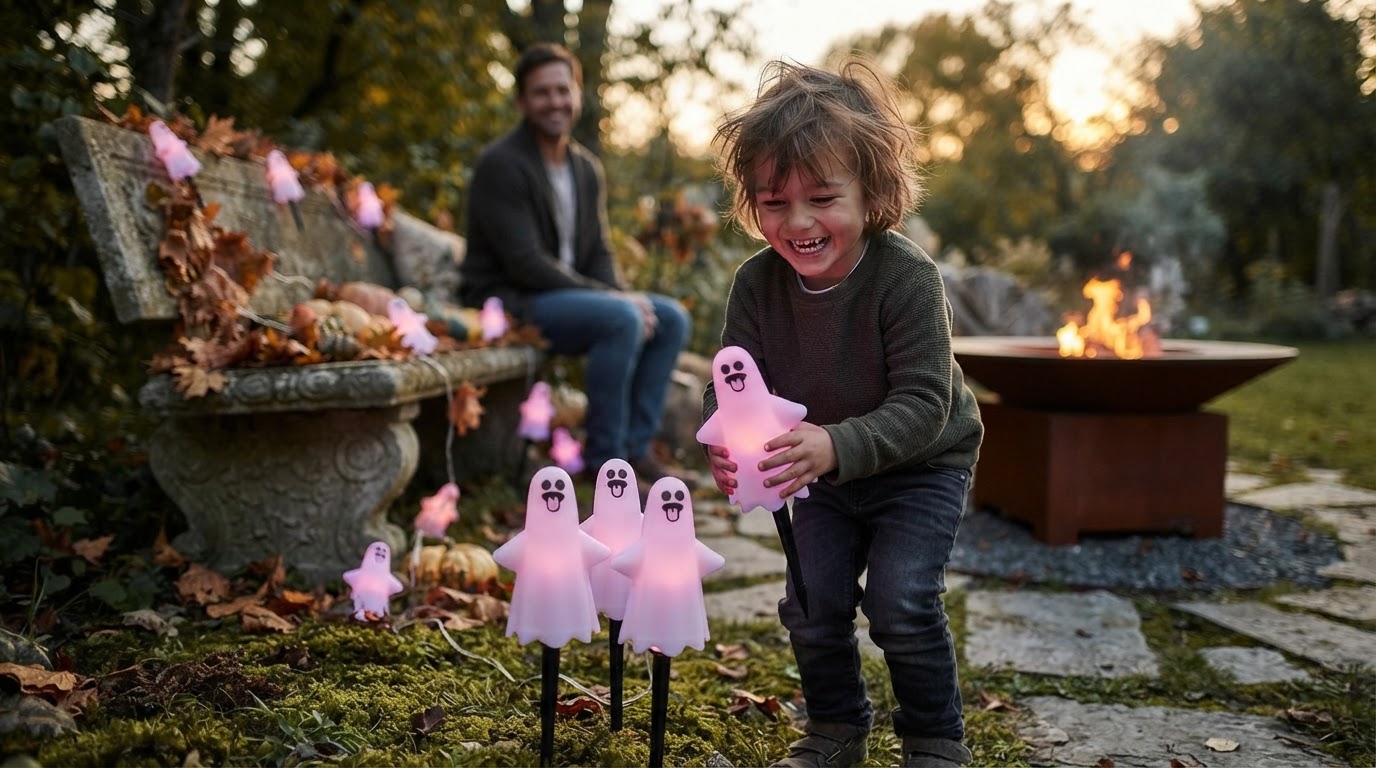
To optimize the performance of outdoor solar ghost lights, think of it as a matrix of three critical axes: solar exposure, ground density, and visual layering. Two axes matter here most for technical success: the light-to-shadow ratio of your yard and the proximity to existing artificial light sources. The Solar Spooky Light ghost stakes are engineered with high-efficiency photovoltaic panels that require at least six hours of direct sunlight to reach full capacity. When selecting a site, the decision rule is to prioritize the southern exposure of the property where the solar cell can receive unobstructed ultraviolet rays. Ground density is the second axis; these stakes are designed for standard soil moisture levels, ensuring the internal wiring remains stable and the ghost silhouette stands upright against autumn wind gusts. The third axis, visual layering, suggests staggering the height and depth of the lights. Placing Solar Spooky Light units along a winding path rather than a straight line creates a more dynamic, spectral effect that utilizes the natural contours of the garden. Once you see it this way, the installation becomes a process of technical alignment rather than simple decoration. Each unit must be placed at least three feet away from street lamps to prevent the integrated dusk-to-dawn sensors from prematurely deactivating the LED elements. This ensures that the sustainable illumination with Solar Spooky Light remains consistent from sunset until the battery is depleted, avoiding the flicker associated with light pollution interference.
Expert tip: Periodically wipe the solar panel on top of each ghost head with a damp cloth to remove dust or fallen leaves, as even a thin layer of debris can reduce charging efficiency by up to 30%.
Understanding how long do Solar Spooky Light ghost stakes last outside depends heavily on these environmental factors and the integrity of the weather-resistant seals. By following this framework, homeowners can ensure their outdoor solar ghost lights provide a reliable glow throughout the entire month of October without requiring manual intervention. For those looking to integrate these into a larger theme, the versatility of the Solar Spooky Light design allows for seamless blending with other seasonal elements.
Sources
- Halloween Lights: Pumpkin, Solar Lights and More - Balsam Hill
- Ghost-themed Solar String Lights - Pinterest
- Solar Ghost Lights for Outdoor Halloween Decoration, Set of 6 ...