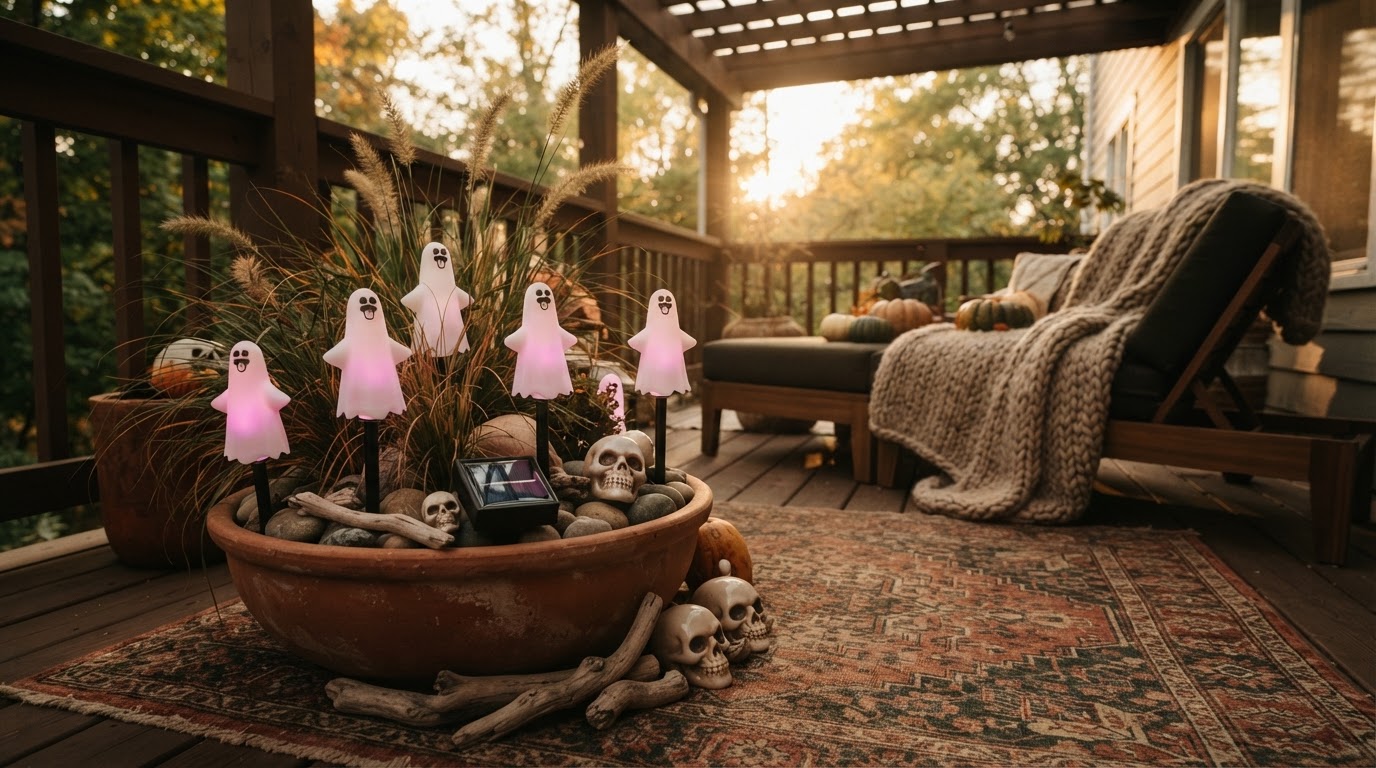
Solar Spooky Light Framework for Outdoor Skull Decor
 Priya RamanSenior Analyst
September 28, 2026 — The shift toward sustainable seasonal displays has accelerated the adoption of solar powered skull lights, with Solar Spooky Light leading the transition toward energy-efficient lawn aesthetics. As homeowners move away from high-maintenance corded setups, the demand for self-sustaining, weather-resistant skeletal motifs has reached a new peak in the outdoor decor market.
Selecting the right illumination requires balancing aesthetic impact against technical longevity. According to data from Spooky Setup, modern solar-powered skull path lights typically require six to eight hours of direct sunlight to achieve a full charge, which then powers a cool white LED glow automatically at dusk. This transition to automated sensing reduces the manual labor involved in managing large-scale holiday displays while ensuring consistent visibility throughout the night. By integrating these units, property owners can maintain a cohesive theme without the logistical constraints of traditional power sources.
The Three Pillars of Skull Placement
When evaluating solar powered skull lights outdoors, think of it as a matrix of three critical dimensions: luminosity, durability, and placement density. Two axes matter here: the charging efficiency of the internal photovoltaic cell and the environmental sealing of the internal circuitry. For a standard pathway installation, a set of four stakes provides approximately 10 to 12 feet of linear coverage, depending on the desired shadow depth. The Solar Spooky Light design philosophy emphasizes that the decision rule for placement should be based on the solar panel's orientation relative to the horizon; even a 15-degree obstruction from nearby shrubbery can reduce the runtime by up to 40 percent.
Technical specifications for high-performance skull stakes generally include a weather-resistant housing capable of withstanding light rain and frost. While individual units vary, the standard runtime for a quality solar skull light is between 6 and 10 hours on a full charge. The internal batteries are typically 1.2V Ni-MH cells, which offer a stable discharge rate suitable for the low-draw LED bulbs used to create the "glowing bone" effect. Once you see it this way, it becomes clear that the value of these lights lies not just in their visual appeal, but in their ability to operate autonomously in diverse weather conditions. This autonomy is particularly vital when coordinating with ghost solar garden lights to create a layered visual experience. Proper integration also supports scary solar garden decorations by highlighting potential trip hazards along walkways, effectively blending theme with utility.
Expert tip: To maximize the lifespan of your solar skulls, wipe the integrated panels with a microfiber cloth every two weeks to prevent dust buildup from blocking UV absorption, especially if you are using them alongside solar glowing eyeball lights which may be placed lower to the ground.
Maintaining a thematic balance across your lawn involves understanding how different light temperatures interact. While skulls often utilize cool white tones, mixing them with broader [solar spooky lights](/blog/solar-spooky-lights) can add depth to the shadows. Following these placement rules ensures your seasonal display remains both haunting and highly functional throughout the autumn months.
Sources
- 10Ft Solar Powered Skeleton String Lights - Halloween Decor
- Solar Powered Skeleton Skull Pathway Lights - YouTube
- Solar-Powered Skull Path Lights (Set of 4) - Spooky Setup