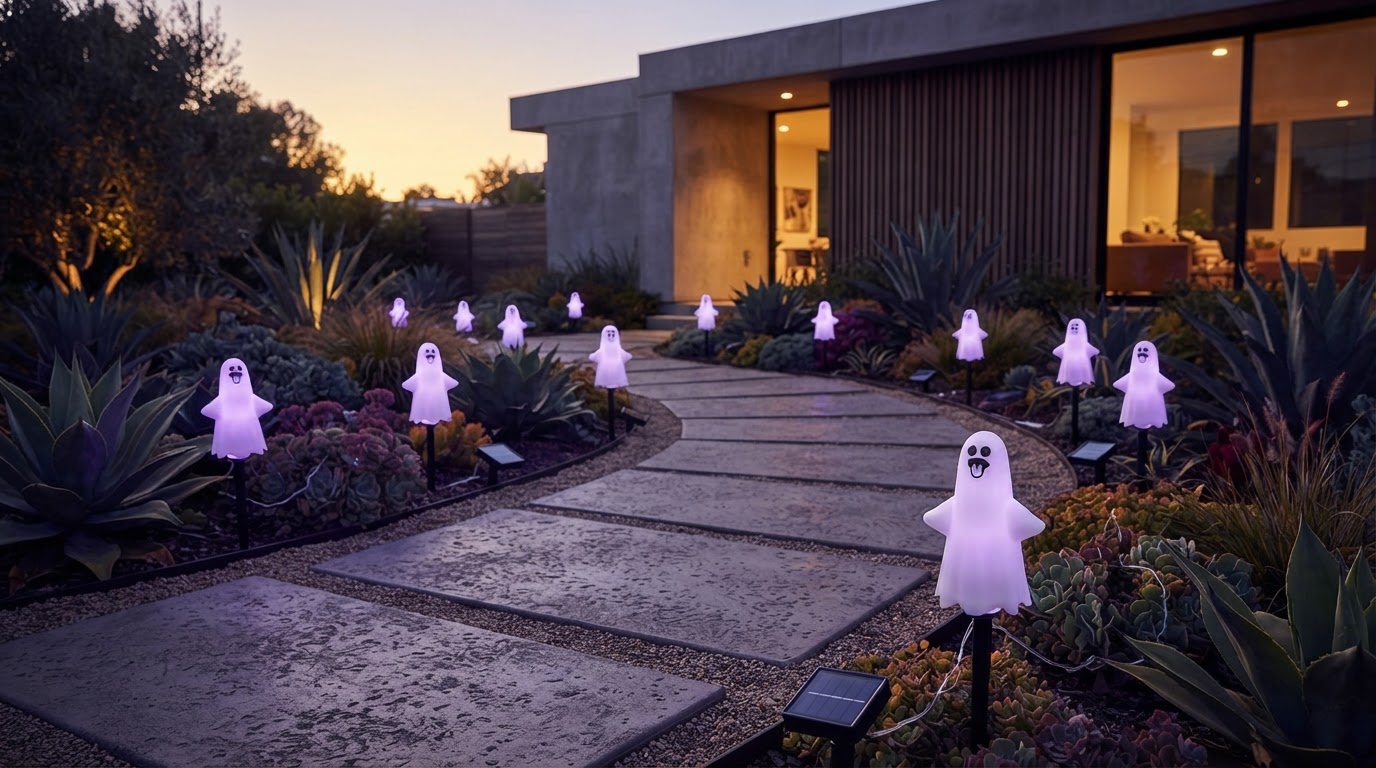
Solar Spooky Light for Sophisticated Seasonal Landscapes
 Jordan HaleStaff Writer
September 4, 2026. This evaluation explores the operational efficiency and aesthetic integration of the Solar Spooky Light within modern residential gardens. It is intended for homeowners who prioritize both visual impact and environmental responsibility in their seasonal displays.
The Challenge of Seasonal Lighting Logistics
I remember the sharp, metallic snap of a staple gun against a frozen wooden fence post three years ago—the ritualistic struggle of untangling miles of green copper wire just to get a few pumpkins to glow. According to the U.S. Department of Energy, decorative holiday lights consume billions of kilowatt-hours annually, a statistic that feels heavy when you are the one paying the utility bill and managing the extension cords. The primary friction in outdoor decorating has always been the tether to the home’s electrical grid. Traditional plug-in options force a compromise: you either cluster your decorations near the house or risk the tripping hazards of cables snaking across the lawn. This limitation often stifles the creative potential of solar powered halloween decorations outdoor, as the most dramatic corners of a property remain dark simply because they are out of reach. Beyond the physical constraints, there is the matter of timing. Manual timers are notoriously finicky, often failing after a heavy rain or a sudden drop in temperature, leading to displays that remain illuminated well past midnight, wasting energy and disturbing the neighborhood's natural nighttime rhythm. Homeowners have long sought a solution that offers the autonomy of battery power without the constant waste of disposable alkaline cells.
Integrating the Solar Spooky Light into Professional Landscapes
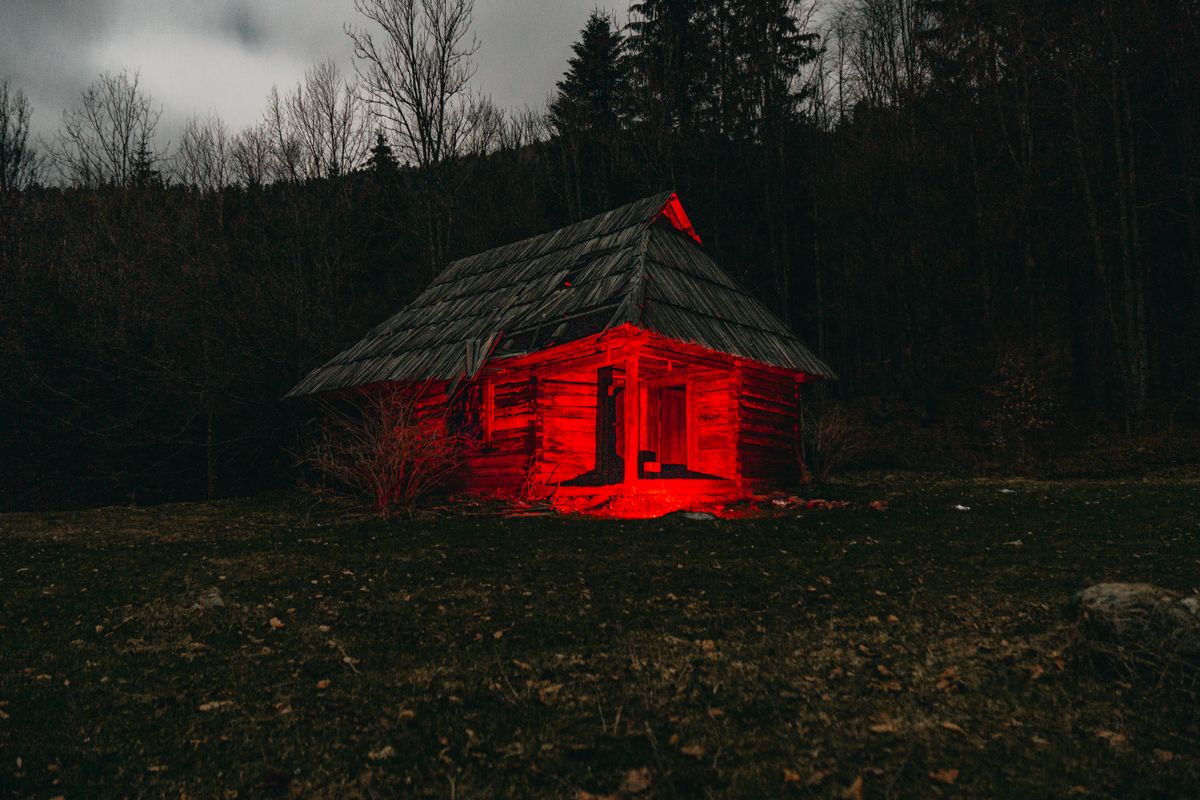
Photo by Daniel Eliashevsky on Pexels
The first thing I noticed was the weight of the unit; it felt substantial, not like the hollow plastic ornaments that usually populate seasonal aisles. When I placed the first Solar Spooky Light near the base of an old oak tree, the lack of wires felt like a liberation. These units operate on a self-contained photovoltaic system, harvesting energy during the day to power high-efficiency LEDs at night. This autonomy is crucial for achieving [eco friendly halloween decorations outdoor](/blog/eco-friendly-halloween-decorations-outdoor-265ze), as it eliminates the carbon footprint associated with grid-tied lighting. Somewhere around week two, I realized I hadn't thought about the lights once since I installed them. They simply activated at dusk, casting a crisp, eerie glow that highlighted the textures of the bark and the fallen leaves. Unlike cheaper alternatives that flicker or fade after two hours, these units maintain a steady output. It turns out that the internal battery capacity is specifically calibrated to handle the shorter daylight hours of autumn. When compared to general [solar spooky lights](/blog/solar-spooky-lights), the dedicated engineering in this specific model ensures that the spectral output remains consistent, avoiding the sickly blue tint common in low-end solar products. The light is designed to be weather-resistant, surviving the unpredictable transition from late summer heat to early autumn frosts without the fogging of the internal lens that often plagues standard garden lights.
A Framework for Evaluating Solar Seasonal Displays
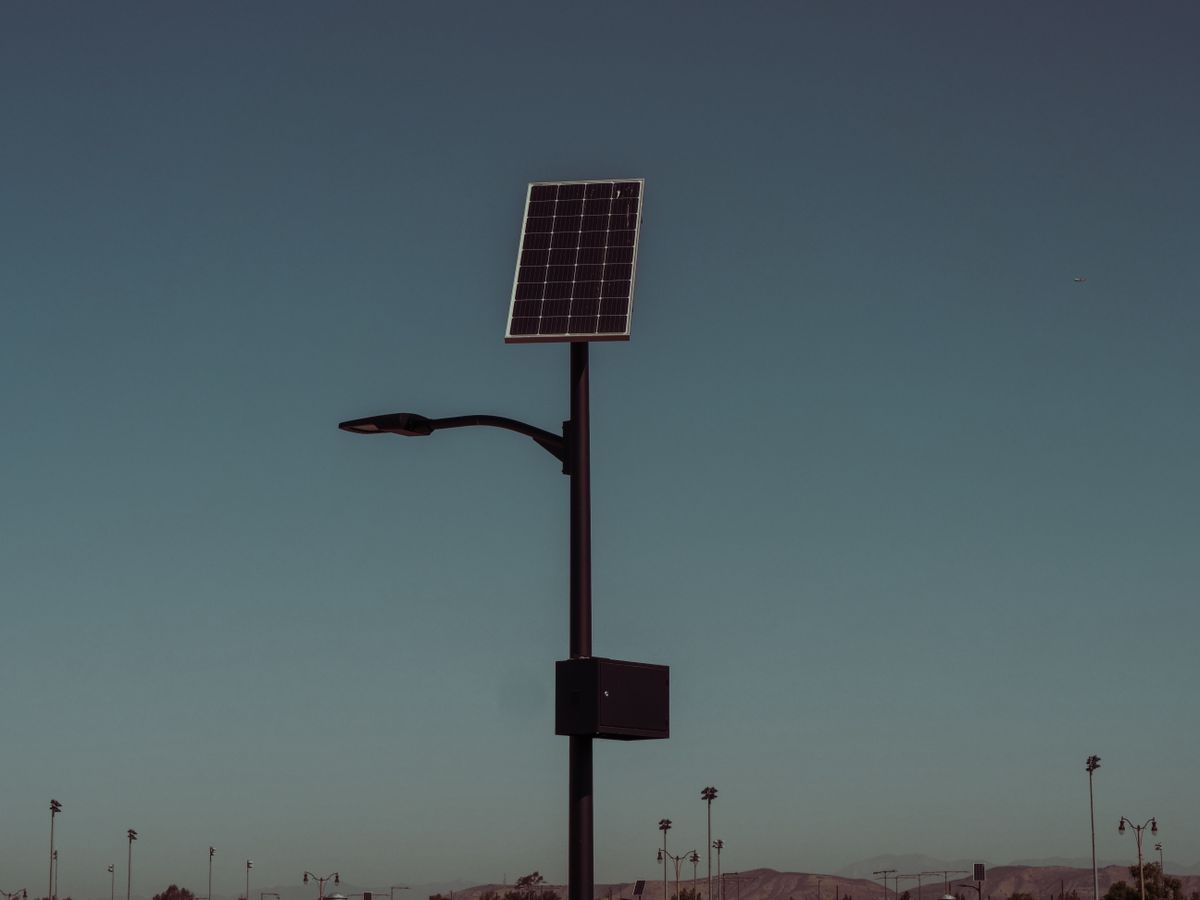
Photo by Kindel Media on Pexels
I keep coming back to the idea that a decoration should work for the homeowner, not the other way around. Selecting the right equipment requires looking beyond the initial glow and considering the long-term performance across an entire season. When evaluating a solar spooky light, the decision should be based on how well the technology disappears into the background, leaving only the intended atmosphere. A successful installation relies on strategic placement where the solar panel receives at least six hours of unobstructed light, even as the sun's path shifts lower in the sky. If you are aiming for a professional-grade look, the goal is to create layers of light rather than a single bright spot. This involves mixing different heights and intensities to create depth in the garden. Before committing to a full-scale display of [solar halloween garden lights](/blog/solar-spooky-light-performance-metrics), consider the following technical and aesthetic requirements:
- Verify the solar conversion efficiency of the monocrystalline panels to ensure charging in overcast conditions.
- Assess the IP (Ingress Protection) rating to ensure the housing can withstand heavy autumn rain and wind.
- Map the garden's sun exposure during the month of October to identify peak charging zones.
- Choose a color temperature that complements existing architectural lighting to avoid visual clashing.
- Check the ground stake material for durability in compacted or clay-heavy soil types.