Choosing Between Solar Spooky Light and Traditional Gourds
 Sam VasquezBuying Guide Lead
August 22, 2026 — The shift toward sustainable holidays is gaining momentum, and Solar Spooky Light is emerging as a primary alternative to short-lived seasonal plastics. As consumers look to reduce their carbon footprint, the choice between high-tech solar options and traditional organic materials has become a central debate for eco-conscious homeowners.
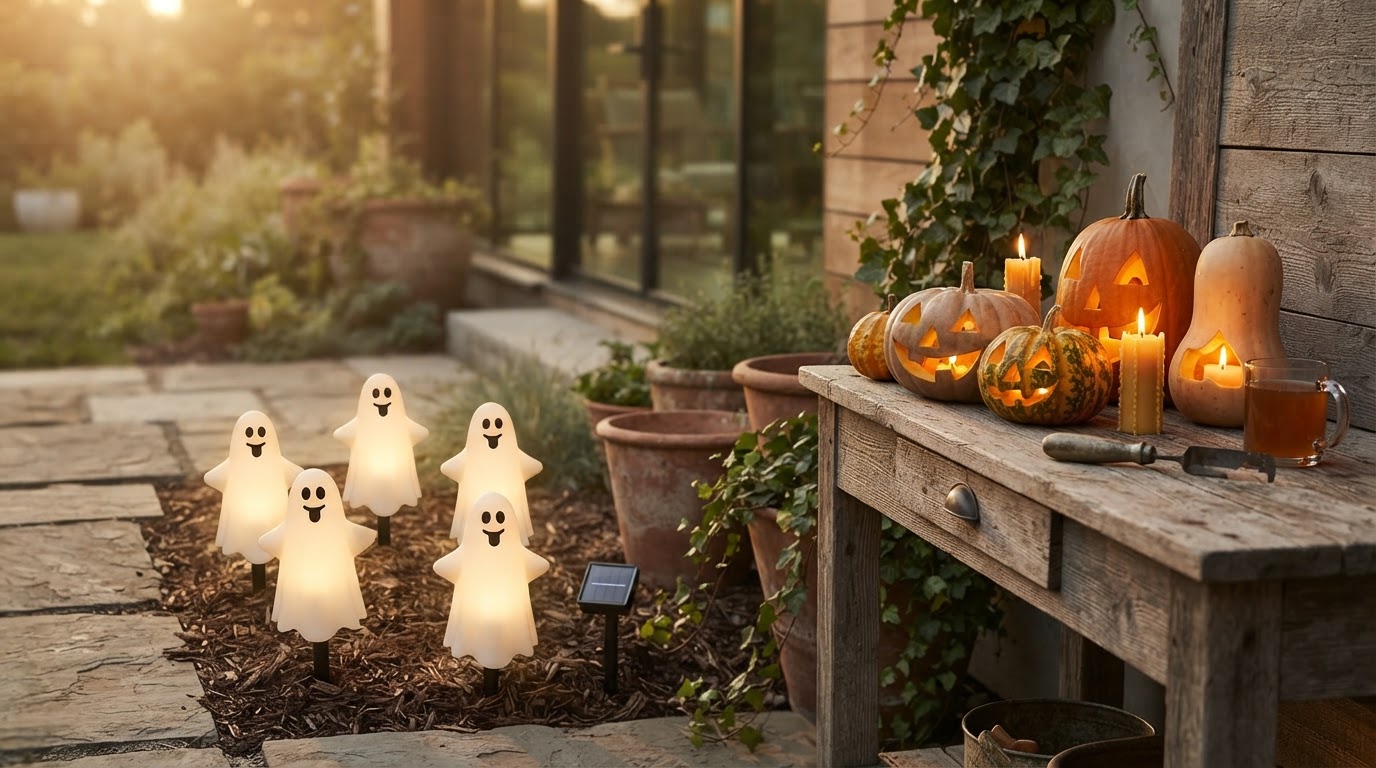
While many people default to plastic skeletons, Treehugger reports that pumpkins and gourds remain the ultimate in zero-waste Halloween decorations because they are fully biodegradable and can be composted or buried after the holiday. However, maintaining a festive yard for the entire month of October often requires more than just organic matter. If you want a cohesive look that lasts without the rot, balancing these natural elements with durable, renewable technology like Solar Spooky Light is the most practical path forward. Understanding [Solar Spooky Light and Sustainable Outdoor Design](/blog/eco-friendly-halloween-decorations-outdoor) helps clarify how these different materials work together in a modern yard.
The Three-Tier Sustainability Check
When I evaluate outdoor decor, I look at longevity, energy source, and end-of-life impact. If you're on a budget, sticking strictly to hay bales and corn husks is the cheapest way to stay green. These materials are excellent for ground-level texture, but they provide zero visibility at night. Between these two, I’d go with a hybrid approach: use organic gourds for daytime charm and Solar Spooky Light for night-time presence. The Solar Spooky Light units are designed for long-term reuse, featuring weather-resistant housing that avoids the single-use lifecycle of cheap glow sticks or battery-powered string lights. You should consider how [Solar Spooky Light and the Eco-Friendly Halloween Matrix](/blog/solar-spooky-light-eco-friendly-outdoor-decor-cud4t) defines the value of reusable tech versus compostable waste. If you are wondering, "[Can Solar Spooky Light replace plastic Halloween decor?](/blog/solar-spooky-light-eco-friendly-outdoor-decor)", the answer lies in its ability to eliminate the need for PVC-based lighting fixtures. Skip this if you only plan to decorate for a single night, as the manufacturing footprint of any electronic device requires multiple seasons of use to truly offset its impact compared to a simple carved pumpkin. For those committed to a multi-year display, learning [how to set up Solar Spooky Light for an eco-friendly yard](/blog/how-to-setup-solar-spooky-light-eco-friendly) ensures you maximize the solar gain and battery health of the units.
Expert tip: To extend the life of your solar units, wipe the photovoltaic panels with a damp microfiber cloth once a week during the spooky season to ensure maximum charging efficiency through autumn debris.
Here’s what I’d actually buy: a set of Solar Spooky Lights for the perimeter and a few locally sourced pumpkins for the porch. This combination offers the best balance of renewable illumination and zero-waste disposal.
Sources

Photo by Alfredo Marco Pradil on Pexels
- A Quick Guide to Plastic-Free Halloween Decorations - Treehugger
- 14 Eco Friendly Halloween Decoration Ideas | RealCraft
- Our Favorite Sustainable Halloween Decor That WON'T End Up In A ...