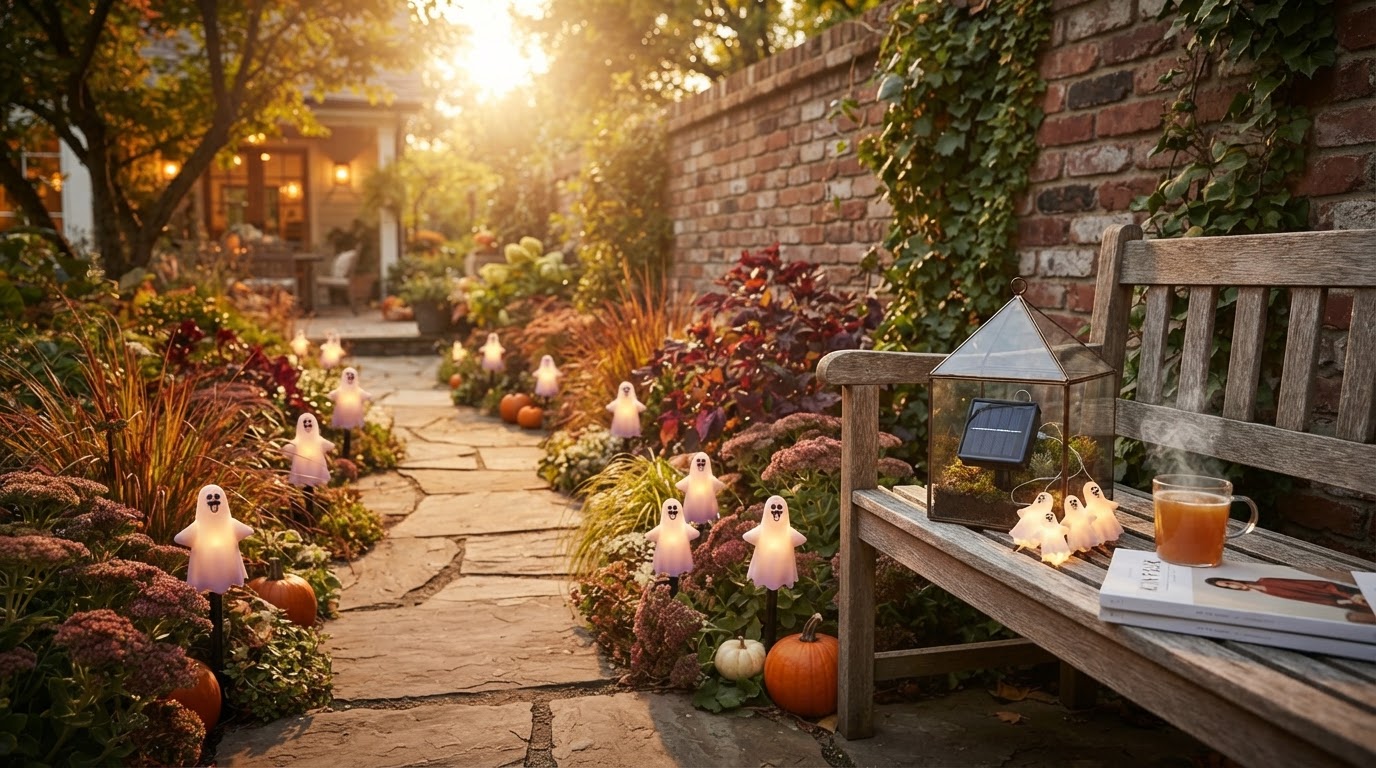
How does Solar Spooky Light work for outdoor decor?
 Priya RamanSenior Analyst
September 18, 2026 — Solar Spooky Light systems utilize monocrystalline photovoltaic cells to convert ambient sunlight into stored chemical energy, providing autonomous illumination for seasonal outdoor displays.
Homeowners and landscaping professionals increasingly prioritize these systems to reduce electrical overhead while maintaining thematic aesthetics. Understanding the utility of these units requires a framework based on functional reliability and environmental impact. Think of it as a matrix of energy density versus atmospheric resilience. By evaluating the hardware through these lenses, users can predict lighting duration and brightness levels across varying geographical climates.
How does weather affect Solar Spooky Light performance?
The efficiency of Solar Spooky Light units is primarily determined by the specific irradiance levels of the installation site and the ingress protection (IP) rating of the housing. Two axes matter here: the recharge-to-discharge ratio and the structural resistance to moisture. When solar panels are exposed to direct sunlight for six to eight hours, the internal lithium-ion or NiMH batteries typically reach full capacity, enabling the LEDs to operate throughout the night. According to insights from Balsam Hill, sustainable solar lights harness clean energy to power decorations without the need for traditional electrical consumption, though cloud cover can reduce the total lumen output by up to 50% depending on the density of the overcast conditions. Once you see it this way, it becomes clear that placement in unobstructed areas is the primary driver of performance. Proper orientation toward the southern horizon (in the northern hemisphere) ensures the light-harvesting phase is maximized, even during the shorter days of late October.
Are Solar Spooky Light systems safe for walkways?
Solar Spooky Light installations enhance safety by providing consistent perimeter markers that do not require hazardous extension cords or high-voltage connections. The decision rule: if a path requires visibility for navigation, the light must provide at least 5 to 10 lumens of output to effectively define the edge of the walkway. Unlike traditional plug-in options, these solar units eliminate trip hazards associated with surface-level wiring. Research shared by Tractor Supply Co. indicates that modern Halloween lighting categories emphasize both decorative flair and functional illumination to help light up spaces with spooky yet effective visibility. Integrating these lights into a broader halloween solar walkway lights system ensures that the aesthetic "spooky" elements do not compromise the physical security of the property. The autonomous nature of the sensors means the lights activate precisely at dusk, ensuring that spooky solar pathway lights are operational before foot traffic increases, regardless of whether the homeowner is present to manually trigger the system.
Quick answers
Q: How long do the batteries in a Solar Spooky Light last on a single charge? A: Most high-quality units, such as those featuring flickering flame effects, can provide over 12 hours of continuous illumination after a full day of sun. This duration ensures the display remains active from dusk until the early morning hours.
Q: Can these lights withstand heavy rain or snow during October? A: Solar Spooky Light products are typically designed with an IP44 or IP65 weather-resistance rating, allowing them to function during rain and light snow. This durability is essential for maintaining eco friendly halloween decorations outdoor throughout the entire month.
Q: Do I need to replace the LED bulbs in these solar units? A: No, the LEDs used in these systems are rated for approximately 20,000 to 50,000 hours of use, which spans several years of seasonal operation. This long-term reliability is a key feature of dedicated solar halloween garden lights designed for recurring annual use.
Learn more about Solar Spooky Light at https://solyraspookylight.com.