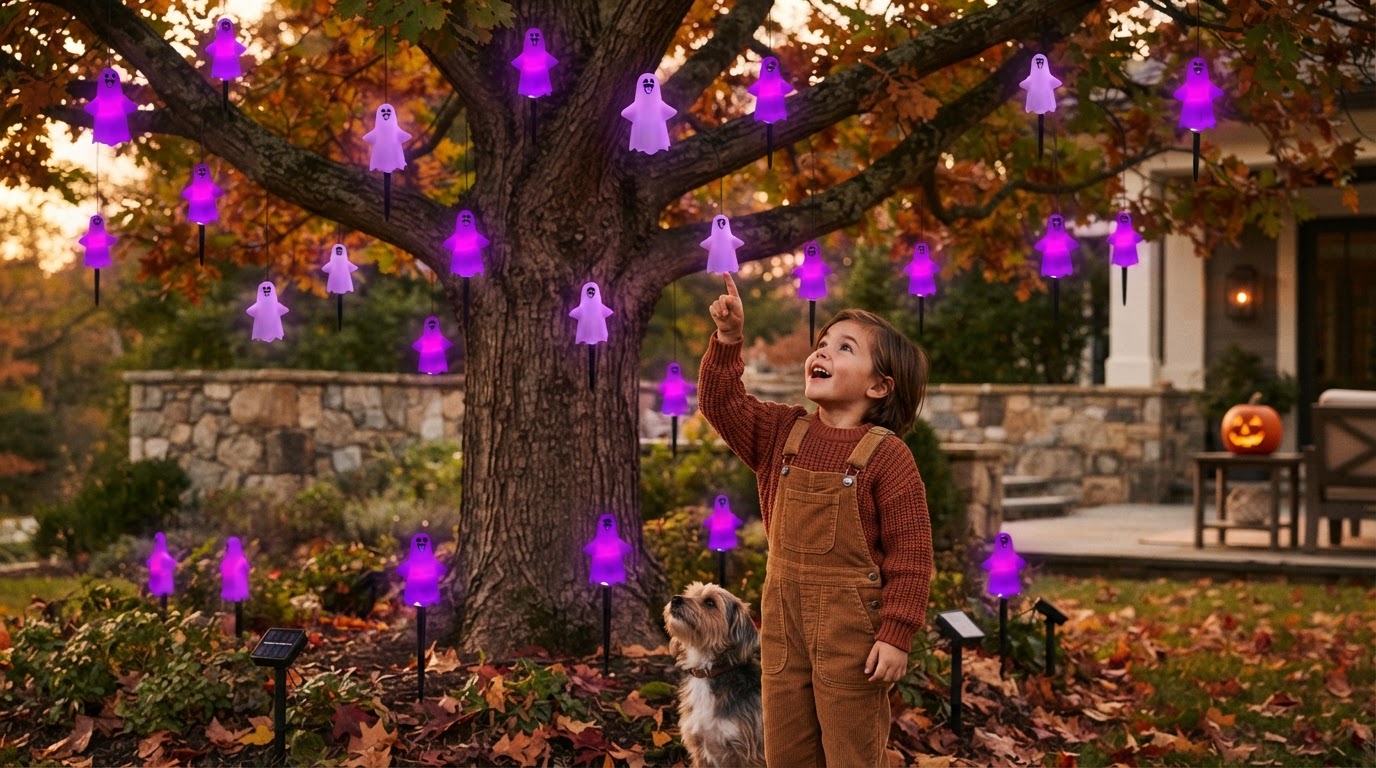
Solar Spooky Light Setup for Outdoor Halloween Trees
 Sam VasquezBuying Guide Lead
August 29, 2026 — The seasonal shift toward autumn has prompted a surge in sustainable yard displays, with Solar Spooky Light emerging as a primary solution for illuminating large canopy trees. As homeowners move away from high-voltage string lights that risk damaging bark, low-impact solar technology offers a safer, more versatile alternative for holiday staging.
Outdoor lighting design requires a balance of ambient glow and targeted shadows to create a truly eerie atmosphere. According to the International Dark-Sky Association, proper outdoor lighting should be shielded and directed downward to reduce light pollution while maintaining visibility. This principle is essential when positioning fixtures in a landscape to avoid washing out the natural textures of the trees. When you integrate these units into your yard, you can also enhance the perimeter with scary solar garden decorations to ensure the ground-level visuals match the canopy's intensity.
The 4-Step Canopy Integration
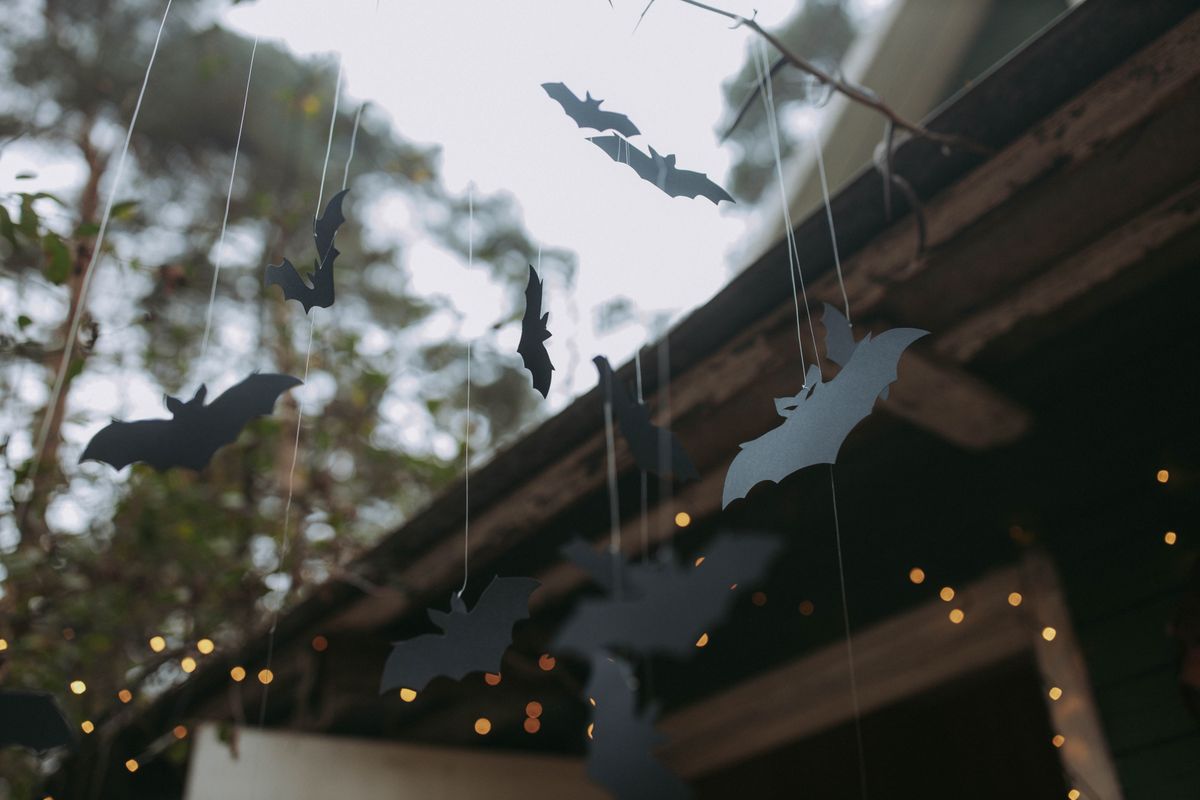
Photo by Yaroslav Shuraev on Pexels
Installing lights in a vertical landscape requires more than just hanging a strand; it involves strategic placement to maximize solar gain while hiding the hardware. First, identify the southern-most branches of your tree to ensure the internal photovoltaic panels receive at least six hours of direct sunlight. While standard hardware store solar stakes often fail under heavy leaf cover, Solar Spooky Light units are designed with high-efficiency monocrystalline silicon cells that perform better in partial shade. Second, use non-invasive ties to secure the units. Unlike traditional staples, these prevent long-term damage to the tree's vascular system. Third, stagger the height of the lights. Placing all units at the same level creates a flat, uninteresting line; varying the heights mimics the natural movement of fireflies or spirits. Fourth, test the sensor placement. If you have streetlights nearby, the internal dusk-to-dawn sensors might not trigger. You may need to angle the sensors away from artificial light sources to ensure they activate at sunset. For those looking to add a flickering effect to the lower branches, incorporating solar firefly halloween lights provides a kinetic element that complements the steady glow of tree-mounted fixtures. Between these two, I'd go with the tree-mounted units for primary structure and use the firefly variants for accent movement.
Expert tip: Check the IP65 waterproof rating on your fixtures before a storm; ensuring the seals are clear of debris will extend the battery life through the entire damp October season.
If you're on a budget, stick to a single large oak or maple rather than spreading a few lights across many trees. The concentrated light creates a much stronger visual impact than a scattered, dim arrangement. Skip this if your yard is entirely shaded by a north-facing wall, as solar units will not reach a full charge in those conditions. For most suburban yards, however, the ease of installation without extension cords makes this the most practical choice for the season. You can further diversify the look by layering in solar firefly halloween lights near the trunk base to lead the eye upward.