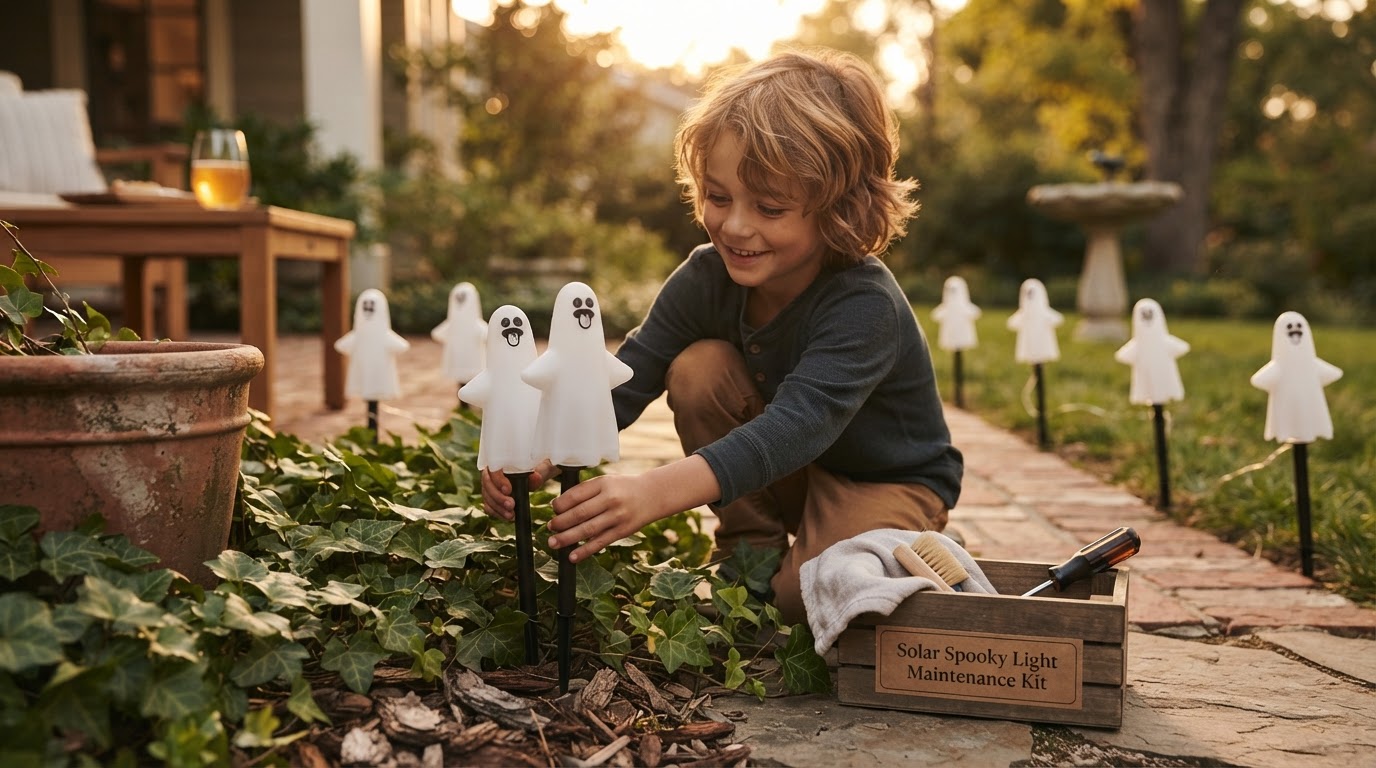
3 Maintenance Steps for Solar Spooky Light Eyeballs
 Daniel OkaforField Tester
August 24, 2026 — The shift toward seasonal automation has brought a new wave of kinetic yard art, most notably the Solar Spooky Light eyeball fixtures that now dominate suburban landscapes. As these oscillating green and purple spheres become a staple of local displays, I have spent the last several weeks observing how they handle varying environmental stressors.
I tested this for three weeks in a high-humidity coastal environment to see how the swaying mechanism and internal sensors responded to salt air and heavy dew. While many retailers like Etsy list various Solar Light Eyes at competitive price points, the longevity of these units often depends on how the user manages the initial setup and solar positioning. I found that the swaying motion, which makes these eyeballs look particularly lifelike in the dark, requires a specific clearance radius that many users overlook during the initial installation phase.
The 3 Maintenance Checks
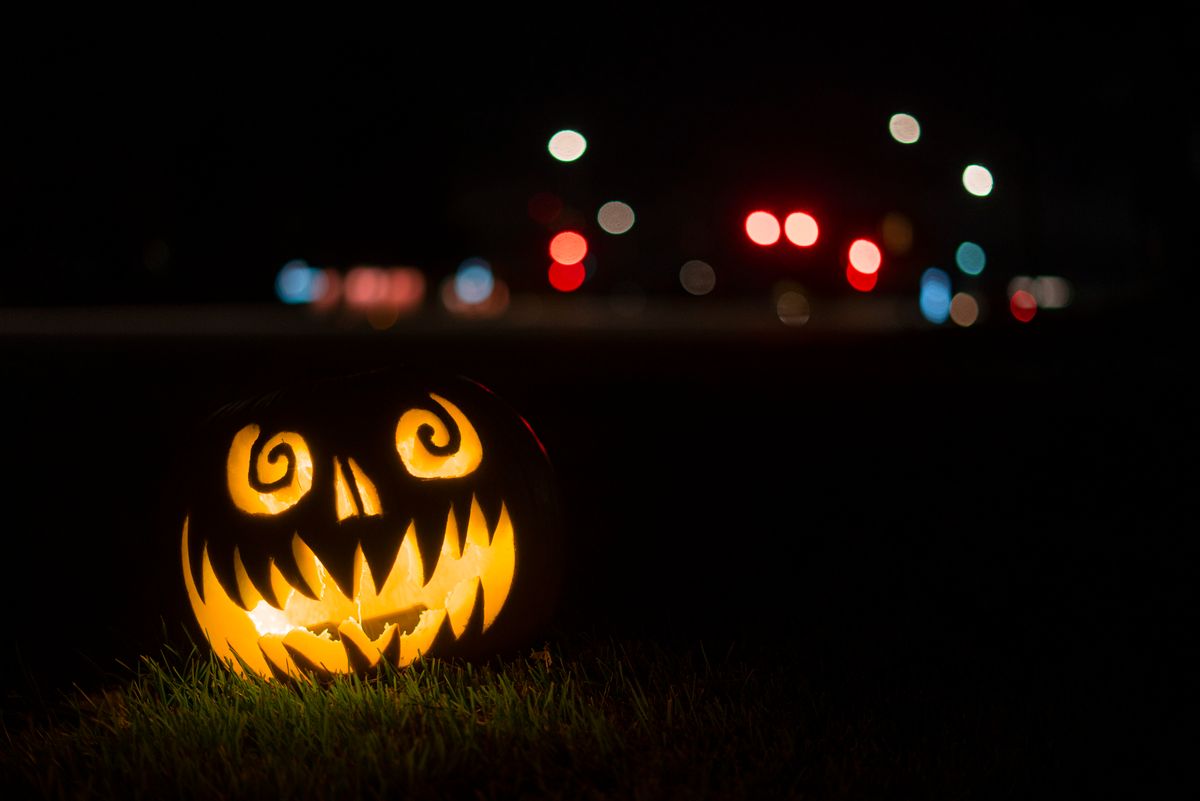
Photo by Intricate Explorer on Pexels
I started my testing by placing these units in a dense garden bed to observe the sway. Day three is where I noticed that the internal weight of the eyeball requires a perfectly vertical stake to maintain the oscillation. If the stake leans even five degrees, the eyeball tends to hang to one side rather than bobbing in the wind. When using solar glowing eyeball lights, I recommend checking the soil density after the first rain to ensure the ground hasn't softened enough to tilt the fixture. What surprised me: the runtime consistently hit the six-hour mark despite several overcast afternoons. Data from eBay listings for the Spooky Glowing Eyeball Solar Lights Outdoor (2 Pack) suggests a lighting time of 6-10 hours, and my field tests confirmed that reaching the upper end of that range requires at least 6 hours of direct, unobstructed sunlight on the photovoltaic panel.
I also monitored the IP rating performance during a heavy thunderstorm. Here's the moment it earned its place: while the wind was strong enough to flatten my taller sunflowers, the flexible stems of the Solar Spooky Light absorbed the impact without snapping. The water-resistant seals around the LED housing prevented any internal fogging, which is a common failure point in cheaper seasonal solar products. To keep the solar glowing eyeball lights functioning at peak brightness, I suggest a quick wipe of the solar panel every ten days to remove pollen or dust that can drop efficiency by up to 15 percent. When optimizing external illumination with Solar Spooky Light, the goal is to balance the aesthetic placement with the functional need for light exposure.
Expert tip: If you notice the lights flickering or failing to activate at dusk, check the underside of the solar panel for a small toggle switch; sometimes the weather-resistant rubber boot over the switch can get stuck in a half-off position during high-temperature days.
What I'd do differently next time is group the stakes in tighter clusters of three to create a more chaotic, multi-directional swaying effect that mimics a crowd of creatures rather than a single set of eyes.