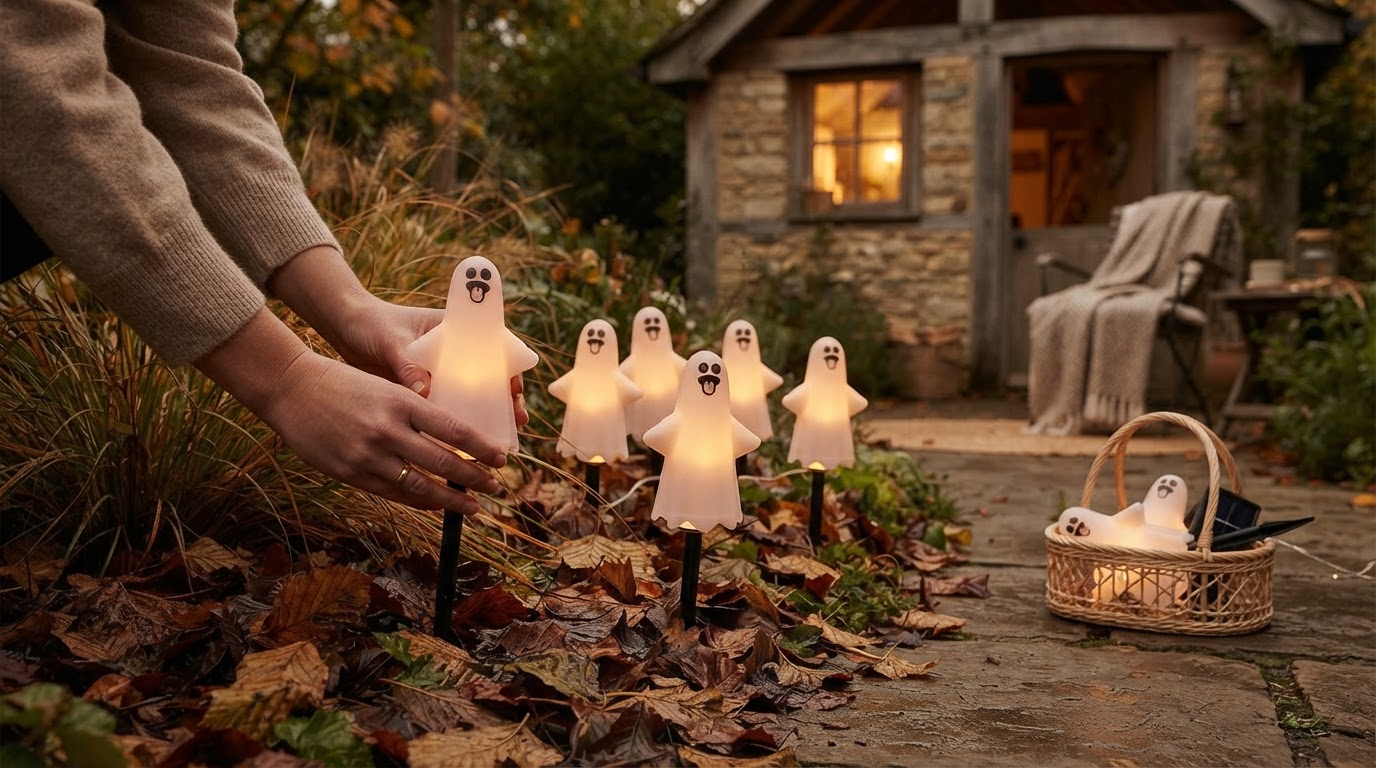
Optimizing External Illumination with Solar Spooky Light
 Maya ChenContributing Editor
August 23, 2026. This assessment examines the operational efficiency and design integration of the Solar Spooky Light system for residential landscapes. It is intended for homeowners seeking to balance thematic aesthetic requirements with sustainable energy constraints.
The Inefficiency of Seasonal Power Grids
The conventional wisdom says that decorative lighting is a trivial addition to household energy consumption, yet the cumulative impact of seasonal displays often leads to significant spikes in residential utility bills. Most consumers rely on traditional plug-in fixtures that lack automated power management, leading to wasted electricity during daylight hours or late-night periods when visibility is unnecessary. According to the U.S. Department of Energy, outdoor lighting accounts for about 8% of residential electricity use, a figure that rises sharply during the autumn months. The problem is not merely the cost, but the infrastructure required to support these displays. Extension cords across walkways create physical hazards, and the reliance on GFCI outlets often limits the scope of a display to the immediate perimeter of the home. When users attempt to expand their reach, they frequently encounter voltage drops or circuit overloads. This logistical ceiling prevents the effective use of varied lighting elements, such as solar glowing eyeball lights, which require consistent power to maintain their visual impact. Furthermore, the environmental cost of disposable, battery-operated units contributes to significant electronic waste, as these low-cost alternatives rarely survive more than a single season of exposure to the elements. The transition to a dedicated solar-powered architecture is often framed as a luxury, but when you run the math, the reduction in maintenance hours and energy costs suggests a different reality for the long-term decorator.
Technical Integration of Solar Spooky Light Systems
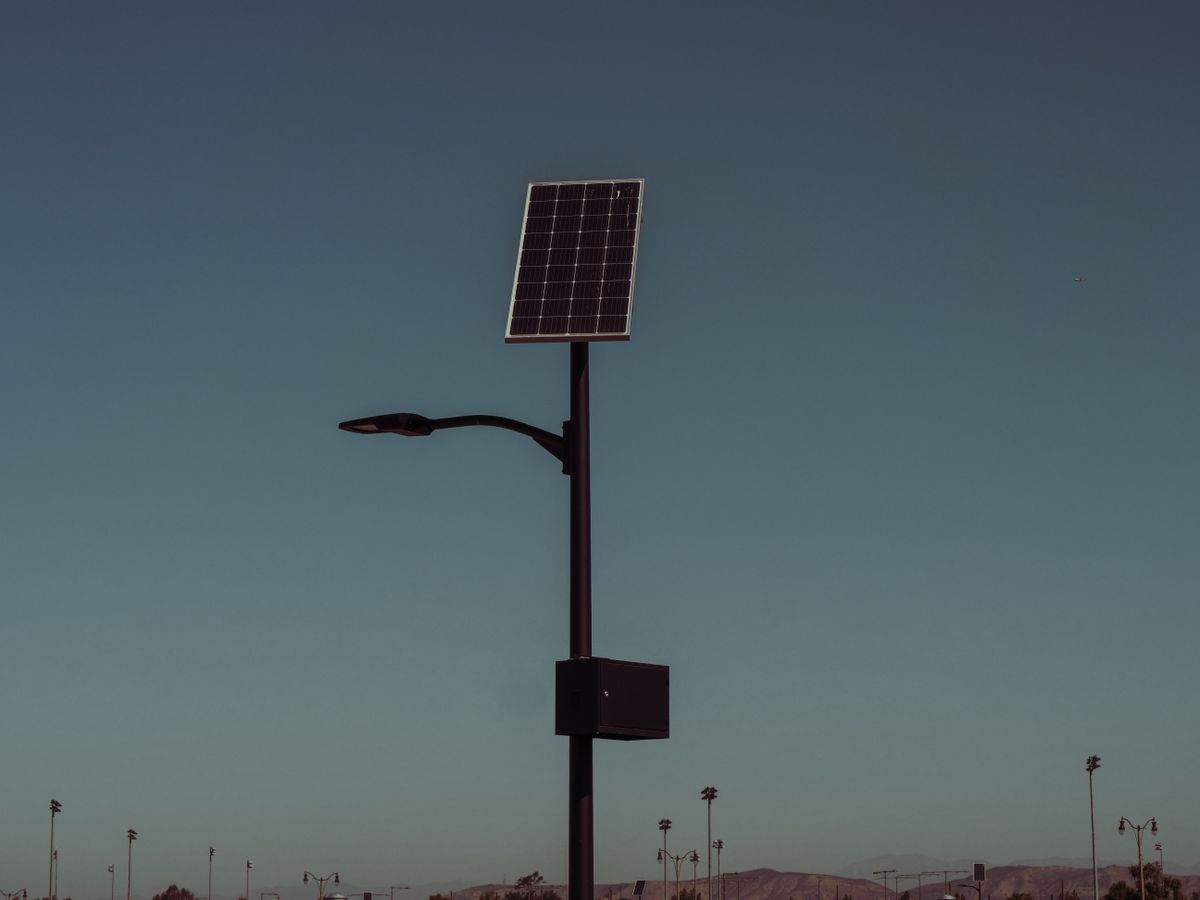
Photo by Kindel Media on Pexels
Solar Spooky Light addresses these systemic inefficiencies by decoupling the illumination source from the home's electrical grid. Here's the part nobody talks about: the efficacy of a solar fixture is entirely dependent on its photovoltaic conversion rate and the storage capacity of its internal lithium-ion cells. Unlike standard garden lights, the Solar Spooky Light is engineered to prioritize discharge consistency, ensuring that the luminosity does not degrade significantly over a six-hour window. This stability is crucial when coordinating with other specialized fixtures like solar glowing eyeball lights. By utilizing high-efficiency monocrystalline panels, these units can harvest sufficient energy even on overcast days, a common weather pattern during the peak usage months of October and November. The integration of dusk-to-dawn sensors eliminates the need for manual timers or smart plugs, which often fail due to signal interference in outdoor environments. This automated approach ensures that the solar spooky light activates precisely when ambient light levels fall below 10 lux. The build quality involves IP65-rated waterproofing, which protects the internal circuitry from the corrosive effects of moisture and frost. While many competitors use thin plastic stakes that fracture in hardened soil, this system utilizes reinforced ABS plastic to maintain structural integrity throughout the season. When these units are deployed alongside solar glowing eyeball lights, the result is a layered lighting environment that requires zero manual intervention once the initial placement is finalized. The reliability of the internal battery cycle ensures that the system remains functional for multiple years, directly challenging the "disposable" culture of seasonal decor.
Deployment and Maintenance Framework
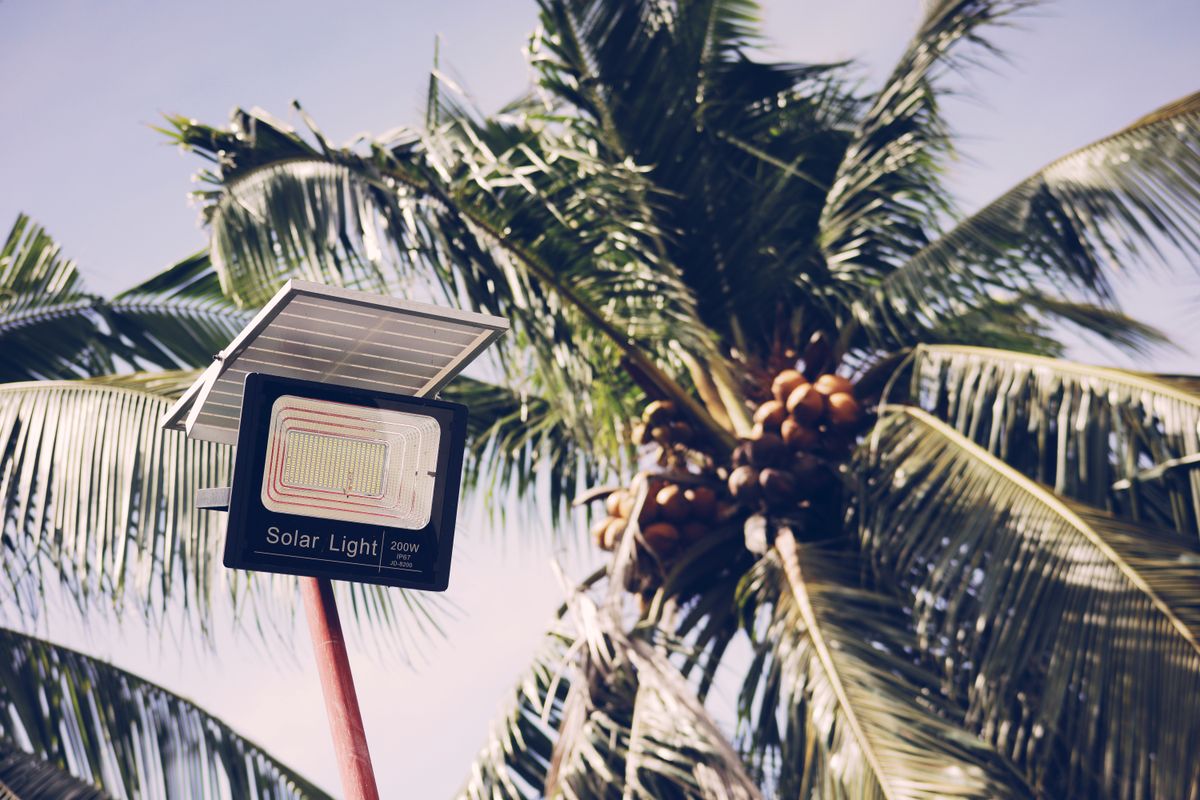
Photo by Nothing Ahead on Pexels
Transitioning to a solar-centric outdoor display requires a shift in placement strategy compared to traditional wired systems. The primary constraint is no longer the proximity to a power outlet, but the solar irradiance available at the installation site. To maximize the performance of your solar glowing eyeball lights and main fixtures, users must evaluate the shadow patterns of their property throughout the day. A location that receives six hours of direct sunlight is the baseline for optimal performance. Maintenance is minimal but necessary; the accumulation of dust or fallen leaves on the photovoltaic surface can reduce charging efficiency by up to 30%. I'll change my mind when a self-cleaning panel becomes standard in the consumer market, but until then, a simple damp cloth remains the most effective tool for maintaining peak output. Before finalizing a purchase, consider this technical checklist for your landscape:
- Verify that the installation site receives a minimum of 5-6 hours of unobstructed sunlight.
- Clean the solar panels every two weeks to prevent debris build-up and maintain conversion rates.
- Ensure the ground is sufficiently soft or pre-moistened before driving stakes to avoid stress fractures.
- Position units away from bright streetlights to prevent the sensors from deactivating the LEDs prematurely.
- Store the units in a dry, room-temperature environment during the off-season to preserve battery health.
- Inspect the seals annually for any signs of UV degradation or moisture ingress.