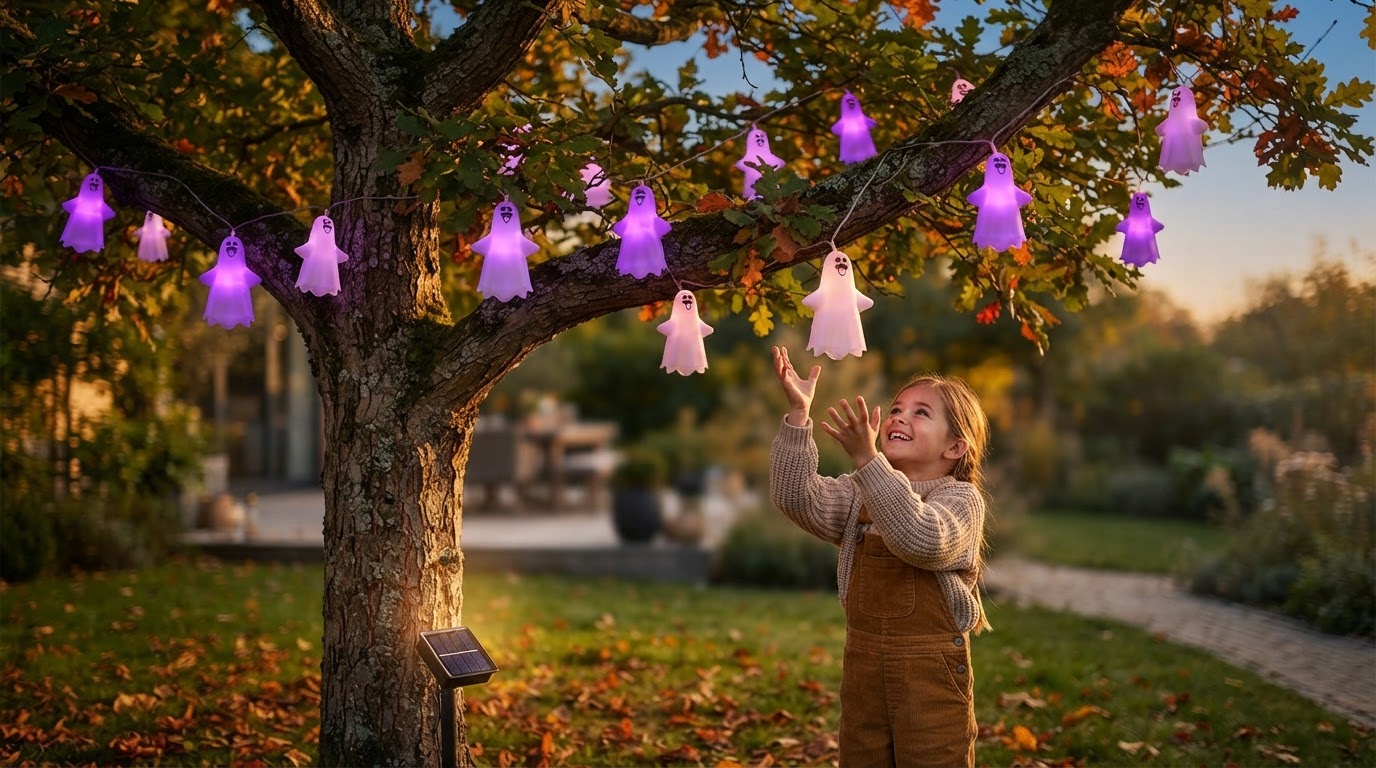
Solar Spooky Light Methods for Halloween Tree Lighting
 Priya RamanSenior Analyst
September 8, 2026 — The shift toward sustainable seasonal displays has accelerated as Solar Spooky Light introduces new high-efficiency photovoltaic cells designed for autumn canopy placement.
Outdoor lighting design for mature trees requires more than simple placement; it demands a strategic understanding of light dispersion and battery preservation in shaded environments. The Department of Energy emphasizes that solar lighting effectiveness depends heavily on the positioning of the collector relative to the daily sun path, a factor that becomes critical when navigating thick branches. Achieving a balance between eerie aesthetics and functional runtime involves prioritizing the light-to-shadow ratio, ensuring that the hardware remains concealed while the illumination remains constant.
The Three-Tier Canopy Framework
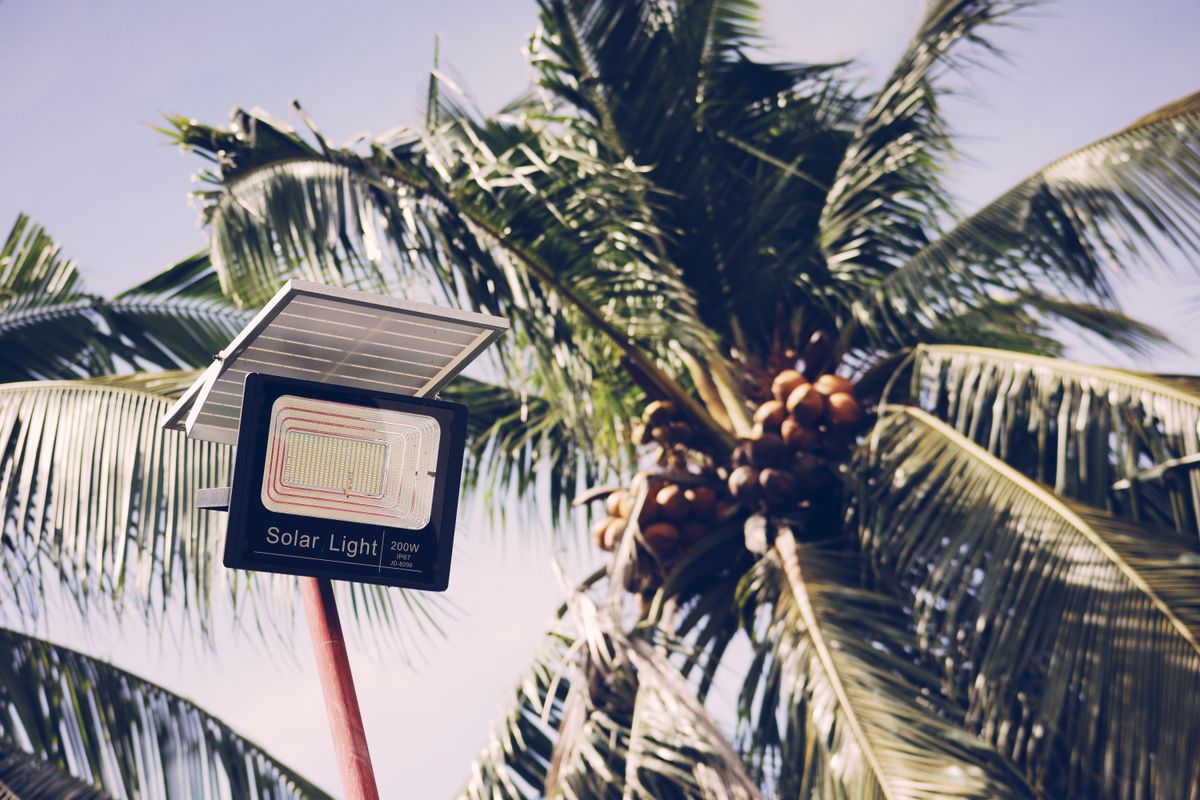
Photo by Nothing Ahead on Pexels
When deploying Solar Spooky Light fixtures in an outdoor arboreal setting, homeowners should utilize a three-tier canopy framework. This system operates on a matrix of height, density, and light temperature to create depth. The first tier, the Trunk Base, uses upward-facing spotlights to define the structure's silhouette. The second tier, the Mid-Branch Layer, utilizes [solar firefly halloween lights](/blog/solar-firefly-halloween-lights-performance) to simulate organic movement within the leaves. The third tier, the Perimeter, involves hanging ornaments or solar purple halloween string lights to establish the visual boundary of the display.
Two axes matter here: the charging accessibility of the solar panel and the desired diffusion of the bulb. For optimal performance, the solar collector must be positioned on the outermost edge of the southern-facing branches, even if the light fixture itself is buried deep within the foliage. This separation allows for a full 6-to-8-hour charge cycle regardless of the tree’s density. The decision rule is simple: if the canopy provides more than 60% shade during peak daylight, remote-panel solar units are mandatory to prevent premature dimming. This approach ensures that scary solar garden decorations placed at the roots are properly framed by the glow from above. Integrating [solar flickering flame halloween torches](/blog/solar-flickering-flame-halloween-torches) near the trunk further enhances the verticality of the display by bridging the gap between ground-level accents and high-hanging branch lights.
Expert tip: Use dark green or black zip ties to secure solar wires along the underside of branches; this prevents silhouette breaks during the day while ensuring the heavy solar panels do not shift during high-wind autumn storms.
Once you see it this way, the tree becomes a three-dimensional canvas rather than a flat surface. By following these structural placement rules, the lighting remains consistent from dusk until the battery cycle completes.